A look at Porsche’s next chapter
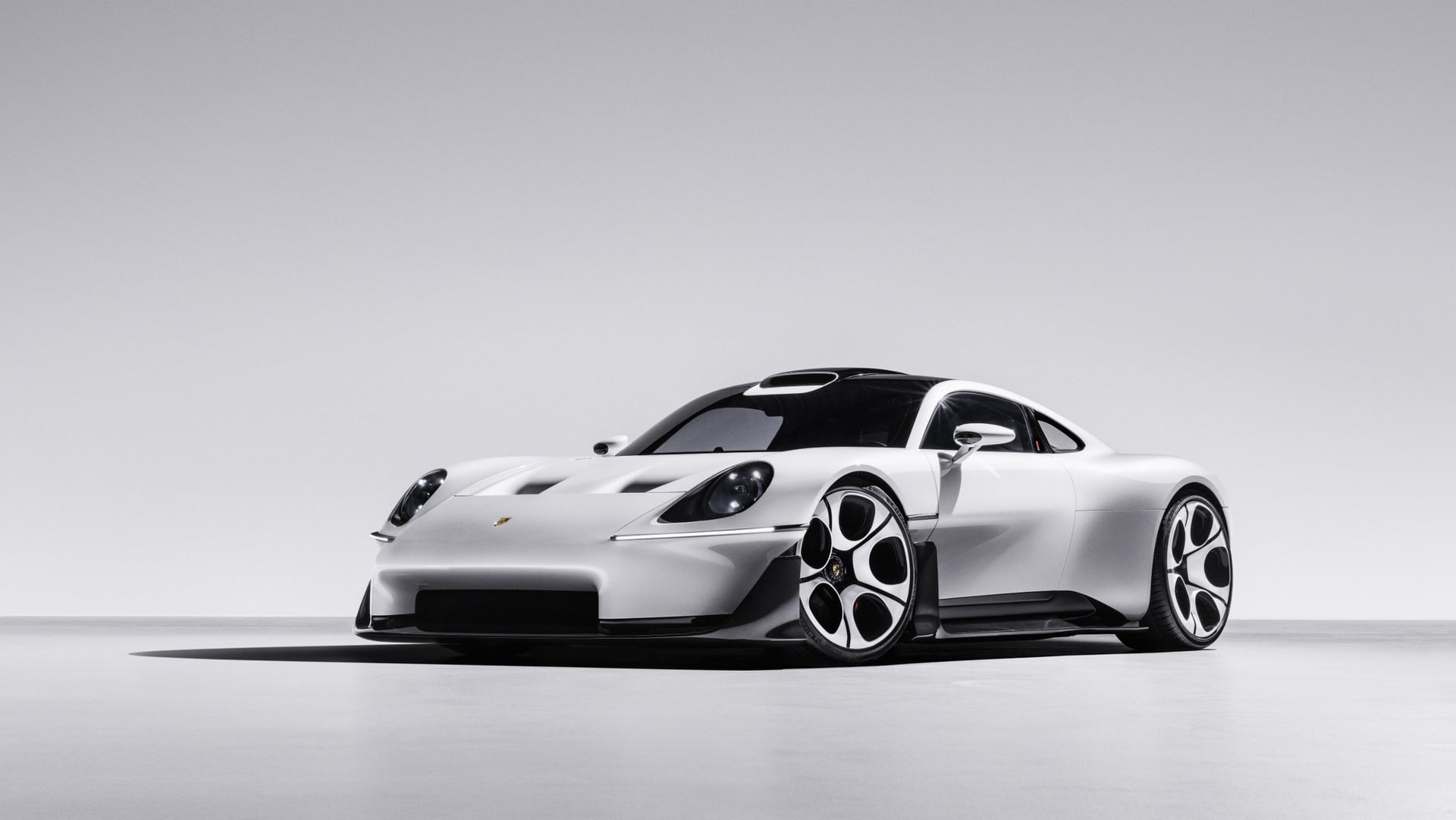
Porsche has unveiled the Mission S, a vision model that points to the next stage of the brand’s design identity and future sports car strategy. The concept is presented as a mid-engined super sports car platform positioned above the 911, intended as a permanent addition rather than a one-off halo car.
Dr Michael Leiters, Chairman of the Executive Board of Porsche AG, said: “A Porsche must be recognisable as a Porsche at first glance.” He added that the Mission S offers a preview of the ideas and design features that will shape the brand in the coming years.
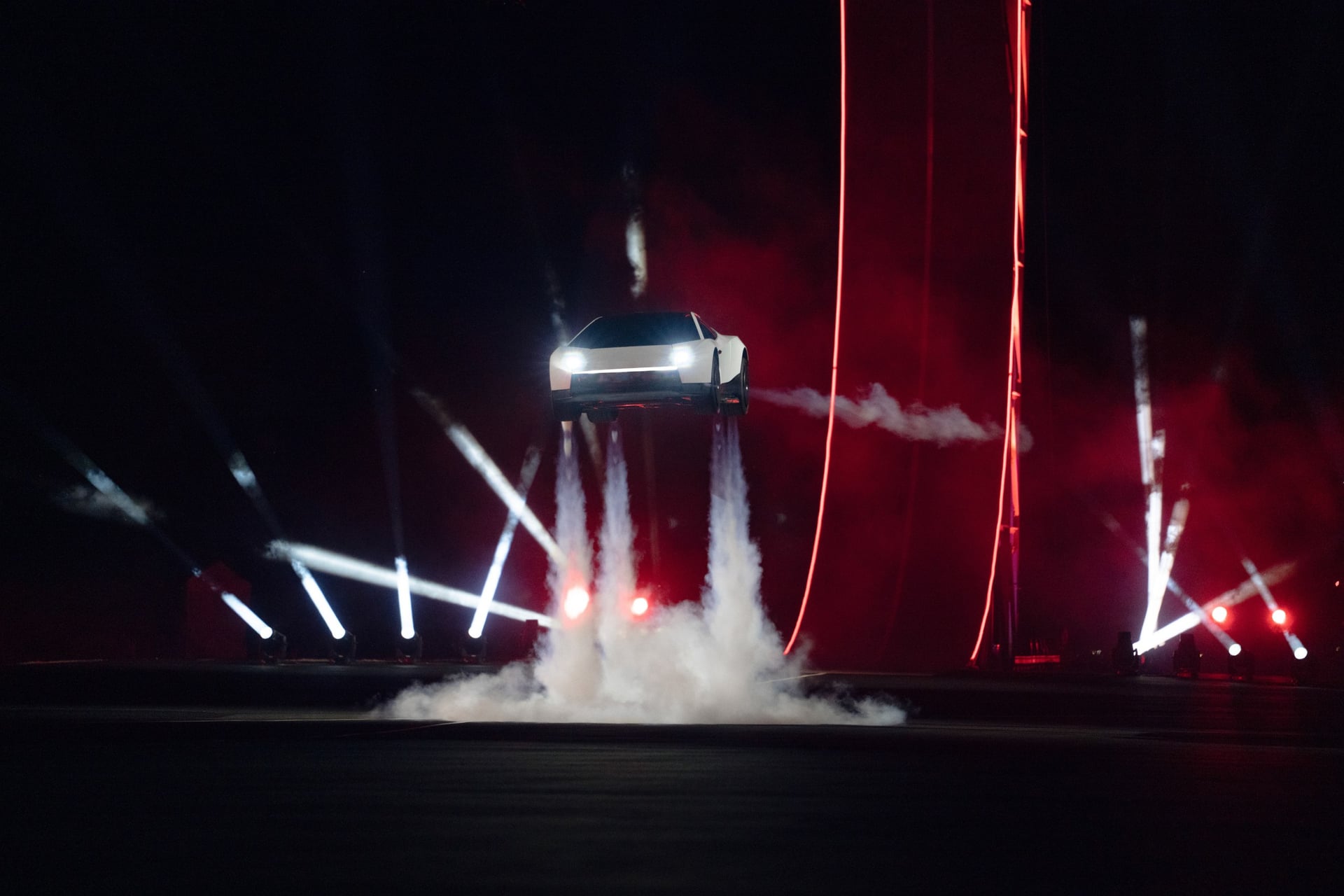
The world premiere took place in New York, on a pier in Queens overlooking the Manhattan skyline. The location carries historical weight for Porsche, as the first images of the mid-engined 550 Spyder were taken there in 1953. That car remains a key reference point in the company’s history and in its success in the United States.
Exterior: familiar forms, reinterpreted
The Mission S carries several classic Porsche proportions into a new context. Its torpedo-shaped front fenders, low roofline and strong width-to-height ratio define the silhouette. Porsche describes the body surfaces as “floating volumes”, with flowing forms that create a technical and sculptural appearance.
The front and rear light signatures are linked by a continuous main line that wraps around the car. Above it, the surfaces are more muscular and dynamic; below it, technical functions are more visible and the lightweight approach is emphasised. The round headlights and pronounced fenders echo the 911, while the shut lines integrated into the lighting reference the G model. The flat nose recalls the GT1, and the roofline beneath the rear wing draws on the 959. At the rear, the car-in-car concept is another GT1-inspired detail.
The mid-engine layout shapes the proportions and allows the familiar flyline. Other functional elements include a cooling solution inspired by the Porsche 917’s radiator fan and a fully integrated active rear wing. The wheels reinterpret the 928’s dial design with a focus on lightweight construction.
Interior: reduced, driver-focused, modern
Inside, the Mission S returns to a purist sports car layout. The cabin architecture takes cues from the 550 Spyder and 356, with two strong lines running through the dashboard and doors to create the impression of sitting deep within the car. The result is a clear and restrained environment that keeps attention on the essentials.
The interior combines analogue controls with digital displays. Classic switches and buttons sit alongside modern screens, while the seats introduce new technical solutions such as an integrated seatbelt buckle in the centre panel and repositioned electric adjustment controls. Porsche also uses white, grey and red tones inspired by its racing history, with Firn White Metallic, Light Red Metallic, Black Chrome and Special Black in the cabin.
Driver Experience and digital flexibility
The Mission S is built around what Porsche calls the Driver Experience, with all controls aligned toward the driver. Five round instruments sit behind the steering wheel, including a central rev counter with an analogue needle and a display behind it. Depending on the driving mode, the rev counter moves closer to the driver, and the arrangement of the round instruments changes as well.
A key is stored to the left of the steering wheel, following Porsche tradition. New push-pull controls in the dashboard provide direct access to comfort and driving functions, while the reworked Sport Chrono element combines analogue character with digital precision.
There is no fixed central display or passenger screen. Instead, a retractable smartphone system compatible with MagSafe can be used when needed. The My Porsche App provides access to functions and allows digitally rendered, historically inspired instrument designs.
Porsche is also developing a new mid-engined super sports car platform that will sit above the 911. The aim is a permanent, flexible offer built on motorsport experience, technical ambition and the design language previewed by the Mission S.